
Imagine waking up to ocean views every morning. You're traveling to new countries, meeting people from everywhere, and getting paid for it. That's cruise ship life. For students dreaming about this, here's the big question: do you need to finish your degree first?
The short answer - not always. Many cruise positions welcome students who are still in college. What matters is the role you want and the skills you bring. Let's break down what you actually need.
Education Requirements by Department
Cruise ships need all kinds of people. Hospitality roles like servers, bartenders, and housekeeping don't require degrees. Customer service experience counts more than diplomas here. If you're good with people and maybe speak a second language, you're already competitive. Entertainment jobs work the same way. Dancers get hired based on auditions. Musicians need talent and stage presence. Activity coordinators bring energy and creativity. Your performance matters, not your transcript.
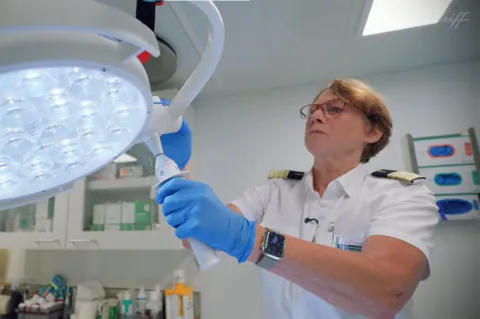
Technical positions are different. Marine engineers need maritime academy training and certifications. Medical staff need licenses. IT specialists need technical credentials. These roles require formal education because safety and expertise are non-negotiable.
Managing Studies and Career Dreams
You're in college right now. Classes, exams, projects - it all adds up fast. And you're also researching cruise lines, building skills, planning your future at sea. That's a full plate. Paperwork keeps coming even when you're focused on career prep. Getting help with tasks through essay writing service expert guidance lets you manage everything better. You stay on track with coursework while investing time in what really matters - preparing for your cruise career. It's about working smart, not burning out.
Staying on track shows cruise hiring managers that you can handle multiple responsibilities at once. It proves you manage your time well and adapt to different demands. These are exactly the skills that matter onboard when you're juggling guest requests, team coordination, and tight schedules. Your ability to balance different areas of life translates directly to cruise work.
Opportunities for Current Students
You can start now. Seriously. Youth counselor positions hire students in education programs during summer breaks. You work with kids, gain experience, and get paid to travel.
Guest services roles fit students studying hospitality or communication. You help passengers, solve problems, build resume-worthy skills. Photography jobs attract creative students who want real portfolio work. Retail positions teach sales in a unique setting. Entertainment staff get hired on talent alone.
Specialized Roles and Requirements
Some positions have strict rules. Nurses and doctors need valid medical licenses plus maritime medical certifications. These jobs pay well but require years of training.
Ship officers and engineers follow international maritime law. You need maritime academy credentials and certifications from the International Maritime Organization. It's a long path but leads to leadership roles with strong pay. Casino dealers need gaming licenses. Requirements vary by cruise line and ship registry.
Safety Certifications Everyone Needs
Every crew member gets STCW certification. That's Standards of Training, Certification, and Watchkeeping for Seafarers. You learn fire safety, survival techniques, emergency procedures. Training takes about a week and costs $300 to $600. No exceptions - everyone does this.
Language Skills Matter
Speaking multiple languages boosts your chances significantly. English is standard but knowing Spanish, Mandarin, or French opens premium positions. Guest services and entertainment especially value multilingual crew. Some lines pay language bonuses.
Cultural Adaptability
You'll work with people from 50+ countries. Cultural awareness helps you thrive. Study abroad experience, volunteer work, or international projects make you stand out. Cruise lines provide cultural training during orientation but coming in with this background gives you an edge.
Growing Your Career Onboard
The cruise industry promotes from within constantly. Hotel directors and cruise directors often started as servers or junior staff. They learned the business hands-on and proved themselves through performance.
Cross-training happens regularly. Restaurant staff move to guest services, then into management. Photographers shift to marketing. The key is showing initiative and building relationships with supervisors. Your work ethic matters more than where you started.
Contracts typically run 4-6 months. After each contract, you can return to college or sign on again. Many students work cruise contracts during summer and winter breaks. Others take a semester off to gain experience. The flexibility works with academic schedules.
Making Your Move
Think about what excites you most. Love interacting with guests? Hospitality and entertainment fit. Curious about ship operations? Explore technical departments. Want leadership experience? Target positions with clear advancement. Research different cruise lines. Royal Caribbean, Carnival, Norwegian - each has its own culture. Read crew forums, watch YouTube videos from current crew, connect with people who've worked aboard. Real insights beat recruitment brochures every time.
Your degree status matters less than your attitude and skills. Hospitality students can start working ships during sophomore year. Communication majors find guest services roles that build their resumes. Even if your major seems unrelated, seek cruise opportunities without no prior experience, transferable skills like teamwork, problem-solving, and communication apply everywhere onboard.
Contracts offer real money. Entry positions typically pay $1,200-$2,000 monthly plus room, board, and no living expenses. You save most of what you earn. Many students use cruise earnings to pay tuition or fund their next adventure.
The application process moves fast. Most cruise lines recruit year-round. Response times range from two weeks to two months. Once hired, you complete training and can be aboard within 60-90 days. If you're a student thinking "maybe someday," that someday can be this summer. Working cruises while in college gives you stories, skills, and savings that set you apart. You're not waiting until graduation to start living. You're building your dream career right now.