
Bomb threats disrupted at least seven flights and a cruise ship across Europe on Tuesday, November 3, triggering aircraft searches, airport closures and a security operation at the Greek island of Syros. No explosives were found in the aircraft checks or the initial inspection of the cruise ship, although further searches of the vessel were planned.
The aviation incidents affected services arriving in Poland, Spain, Italy and Bulgaria. A LOT Polish Airlines flight from London Heathrow to Warsaw was diverted to Modlin Airport, which temporarily closed, while an SAS flight from Copenhagen underwent checks after landing at Warsaw Chopin Airport. Both aircraft were cleared following inspections.
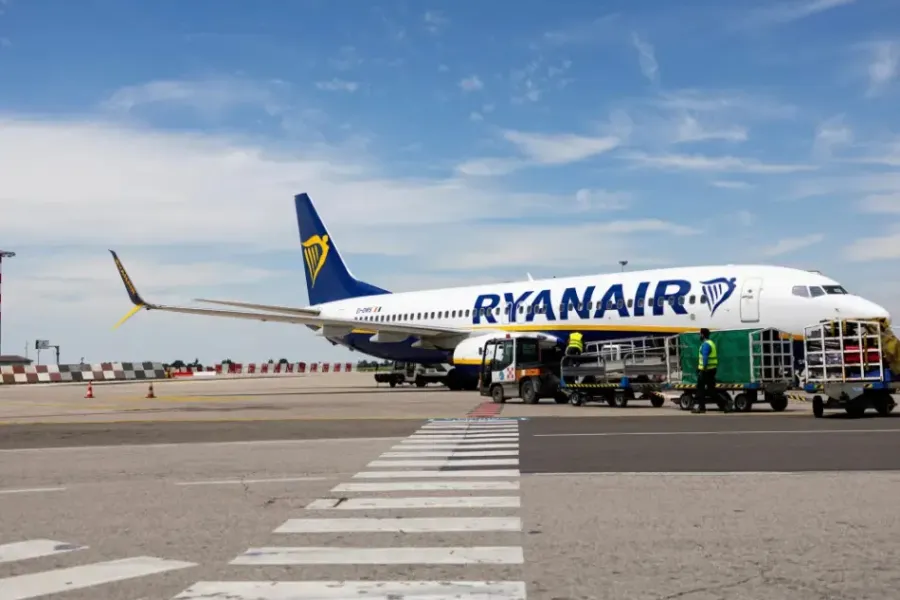
In Italy, authorities searched two Ryanair aircraft arriving in Rome from Lisbon and Dublin, with Italian Air Force jets escorting the Dublin service before it landed. A separate Ryanair flight from Manchester was checked at Murcia Airport in Spain, where authorities also ruled out the presence of explosives.
The maritime alert involved the cruise ship Crown Iris, the Panama-flagged cruise ship operated by Israeli company Mano Maritime. The vessel was preparing to sail from Syros to Haifa with 940 passengers and 597 crew members, bringing the total number aboard to 1,537. Its departure was held up while authorities investigated a claim that an explosive device had been attached to its hull.
According to Greek broadcaster SKAI, an unidentified person contacted the captain directly over VHF radio and claimed a device had been placed on the ship’s hull. The captain immediately notified the Syros Port Authority, setting a security response in motion.
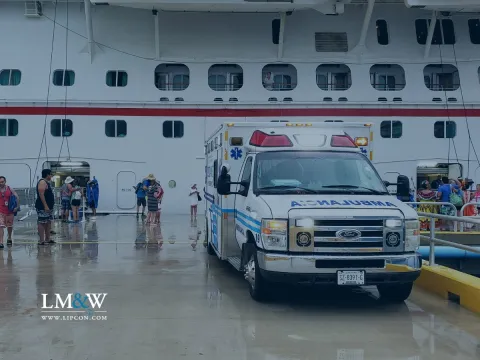
Passengers were taken ashore as a precaution while the vessel was examined. Greek reporting said the evacuation followed the warning received by the ship’s bridge, with authorities keeping Crown Iris in port during the investigation.
The first inspection involved Coast Guard personnel, a specially trained explosives detection dog and a private diver who examined the underwater section of the hull. No suspicious object or indication of an explosive device was found during those initial checks.
Authorities nevertheless arranged a more detailed underwater inspection. A team from the Hellenic Coast Guard’s Underwater Missions Unit was expected to join the operation to examine the hull before the vessel could continue its voyage. At the time of the reports reviewed, final clearance for departure had not been confirmed.
The alert left passengers and the ship’s 597 crew members facing uncertainty over the journey to Haifa as specialist checks continued. Although the initial search produced no evidence of a bomb, the investigation remained open in the available Greek reports.
Across Europe, the threats caused substantial disruption despite the negative aircraft searches. Authorities had not established a common source or publicly confirmed that the aviation incidents and the Crown Iris threat were connected. Their occurrence on the same day does not, by itself, establish a coordinated campaign.