
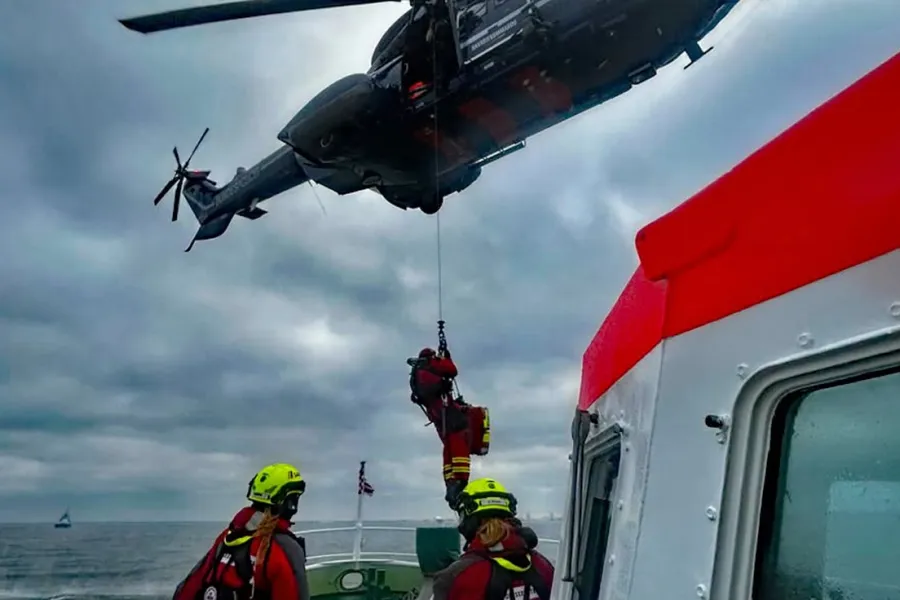
Emergency services and maritime authorities conducted a large-scale exercise aboard TUI Cruises’ Mein Schiff 3 in Bremerhaven on Sunday, testing their ability to respond to an incident involving multiple casualties on a passenger vessel.
Organised jointly by the German Central Command for Maritime Emergencies (Havariekommando) and TUI Cruises, the exercise brought together approximately 50 emergency personnel. The training focused on medical response, inter-agency coordination and psychosocial support in a simulated emergency involving numerous injured people.
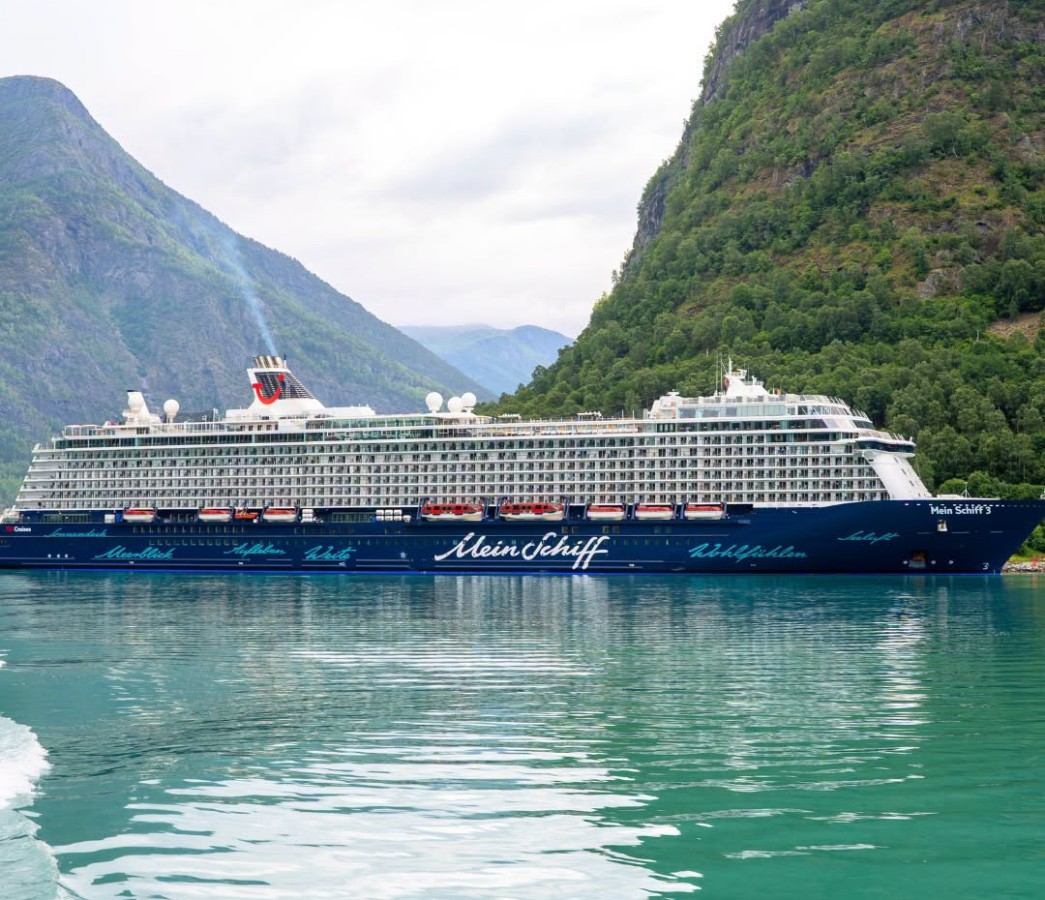
The exercise marked the third time that the two organisations had jointly coordinated this type of operation, reinforcing their commitment to improving emergency preparedness in the cruise sector.
Realistic Scenario Tests Emergency Response
The exercise began with an initially unclear situation involving injured people on board the cruise ship. In response, the Havariekommando alerted specialised firefighting units from Cuxhaven and Wilhelmshaven, which deployed to the vessel to assess the situation and provide medical assistance to the simulated casualties.
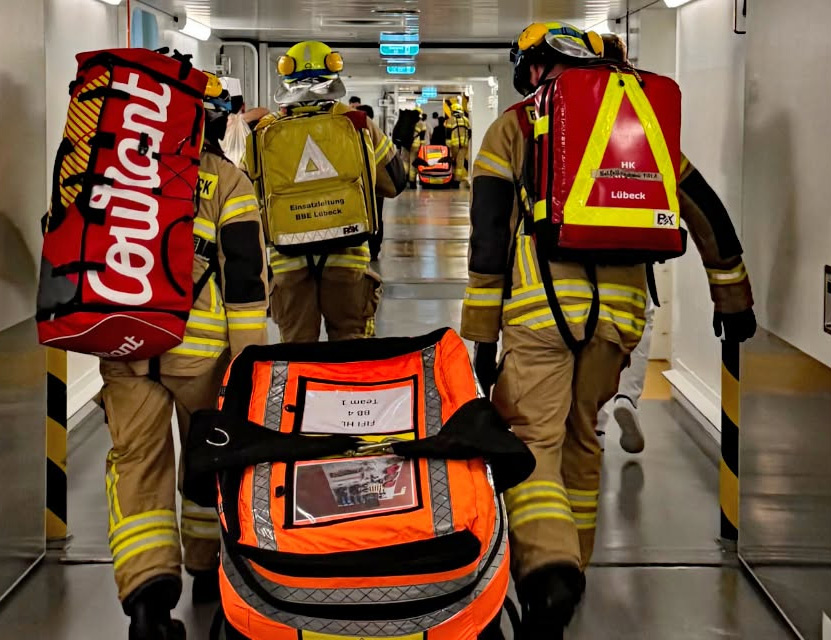
Police authorities also participated, allowing responders to practise communication, coordination and operational procedures across organisational and regional boundaries.
A central objective was to evaluate how emergency services could manage a high number of casualties in the confined and complex environment of a cruise ship. Such incidents require rapid assessment, effective deployment of specialist personnel and close cooperation between the ship’s crew and external responders.
The exercise also provided an opportunity to review procedures and identify potential improvements in the management of a major maritime emergency.
Training Without Disrupting Passenger Operations
A key feature of the exercise was that it took place while Mein Schiff 3 was berthed at Bremerhaven’s cruise terminal with passengers on board.
Passengers had been informed in advance, allowing the drill to proceed while normal shipboard operations continued. This arrangement provided responders with a realistic operating environment in which emergency procedures could be tested alongside the everyday activities of a passenger vessel.
Cruise ships present particular challenges during emergencies because of their size, complex internal layouts and the number of people on board. Effective response therefore depends not only on the capabilities of individual emergency services but also on clear communication and well-established procedures between the vessel’s crew and responding agencies.
Christian Lerche, TUI Cruises’ Director of Fleet Operations & Health, highlighted the importance of practising these interconnected processes under realistic conditions. He noted that an emergency response depends on numerous procedures working together, from the initial actions of the ship’s crew to the arrival and deployment of external emergency services.
Psychosocial Support Included in the Exercise
Alongside medical response, the exercise placed particular emphasis on maritime psychosocial emergency care, known in Germany as Psychosoziale Notfallversorgung (PSNV).
Specialist advisers from the German Seamen’s Mission and other maritime psychosocial support organisations provided simulated assistance to affected individuals both aboard the ship and at the passenger terminal.
This element reflected the wider demands of a major incident, in which people may require emotional and psychological support in addition to medical treatment. Passengers, crew members and others affected by an emergency can experience significant distress, making coordinated psychosocial assistance an important component of an effective response.
By incorporating this aspect into the drill, the organisers were able to examine how psychological support could be integrated into the wider emergency management operation.
Strengthening Cooperation in Maritime Emergencies
Sören Makel, deputy head of the Havariekommando, emphasised the importance of regularly rehearsing complex emergency scenarios with all relevant partners. He stressed that when large numbers of people require assistance simultaneously, medical treatment, psychosocial care and support from external agencies must operate in close coordination.
Both the Havariekommando and TUI Cruises expressed satisfaction with the exercise, underlining the value of continued cooperation and practical training.